
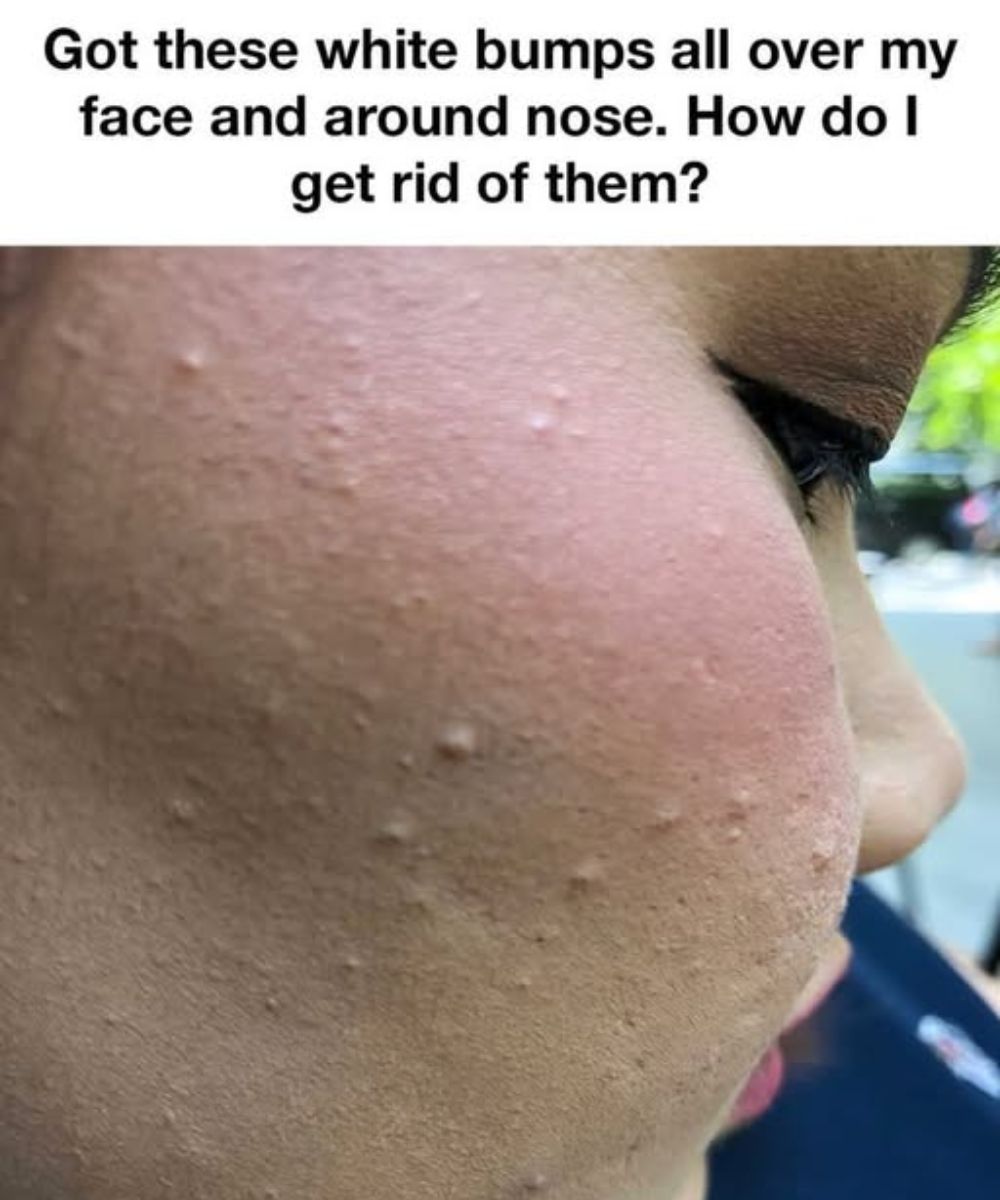
Milia—those tiny, pearl-like bumps that often appear on the skin—may be harmless, but they can still be a major cosmetic annoyance. Because they tend to linger and subtly affect the texture of the face, many people find them bothersome. These small, firm cysts typically show up around the eyes, cheeks, and nose. Though not painful, their presence is far from welcome.
Knowing what triggers milia and how to treat them effectively is key for anyone striving for clearer, smoother skin. This guide breaks down what milia really are, why they form, and the best approaches for removing and preventing them. Whether you’re dealing with a few persistent bumps or a recurring issue, you’ll find practical solutions to help you manage milia with confidence.
1. Understanding Milia: What Exactly Are They?
Milia are tiny, white or yellowish cysts that form when keratin—one of the skin’s natural structural proteins—becomes trapped beneath the surface. While extremely common in newborns, milia can appear in individuals of any age. Each bump measures only 1–2 millimeters and often clusters in groups.
Unlike acne, milia aren’t caused by clogged pores or excess oil. Instead, they develop when dead skin cells fail to shed properly. Sun damage, certain skincare habits, or skin injury can all contribute. Because they stay under the skin and don’t become inflamed, they are frequently mistaken for whiteheads but behave very differently.
2. Why Milia Are Harmless but Hard to Get Rid Of
Although milia pose no health risks, their stubborn nature can be frustrating. They don’t respond to typical acne treatments, and squeezing them won’t work—mainly because they’re not connected to pores at all.
Their persistence stems from their deeper placement within the skin. Since they can’t be emptied like pimples, many people eventually turn to professional help or targeted skincare methods to address them.
3. Common Causes Behind Milia Formation
A leading cause of milia is skin trauma. Burns, blisters, sunburn, and even overly harsh exfoliation can disrupt the skin’s natural shedding cycle. When this happens, dead skin cells may become trapped and form milia.
Heavy or occlusive skincare products are another frequent culprit. Creams containing thick oils or waxes can create a barrier on the skin, making it difficult for dead cells to shed. In some cases, genetics or certain medical conditions may also influence milia development.
4. How Milia Differ From Other Skin Conditions

Because milia appear as small bumps, they are often confused with acne or sebaceous hyperplasia. But key differences exist.
Milia do not involve inflammation, bacteria, or hormone fluctuations.
Sebaceous hyperplasia, by contrast, involves enlarged oil glands that create yellowish bumps with a visible center. These are usually larger than milia and require different treatment. Recognizing the difference ensures you choose the right approach.
5. Professional Extraction: The Quickest and Most Reliable Method
For fast, effective removal, professional extraction remains the gold standard. Dermatologists and licensed estheticians use a sterile tool to make a tiny opening in the skin so the trapped keratin can be safely released.
When performed properly, this method carries minimal risk and provides immediate results. However, it’s essential to choose a trained professional to avoid scarring or infection.
