
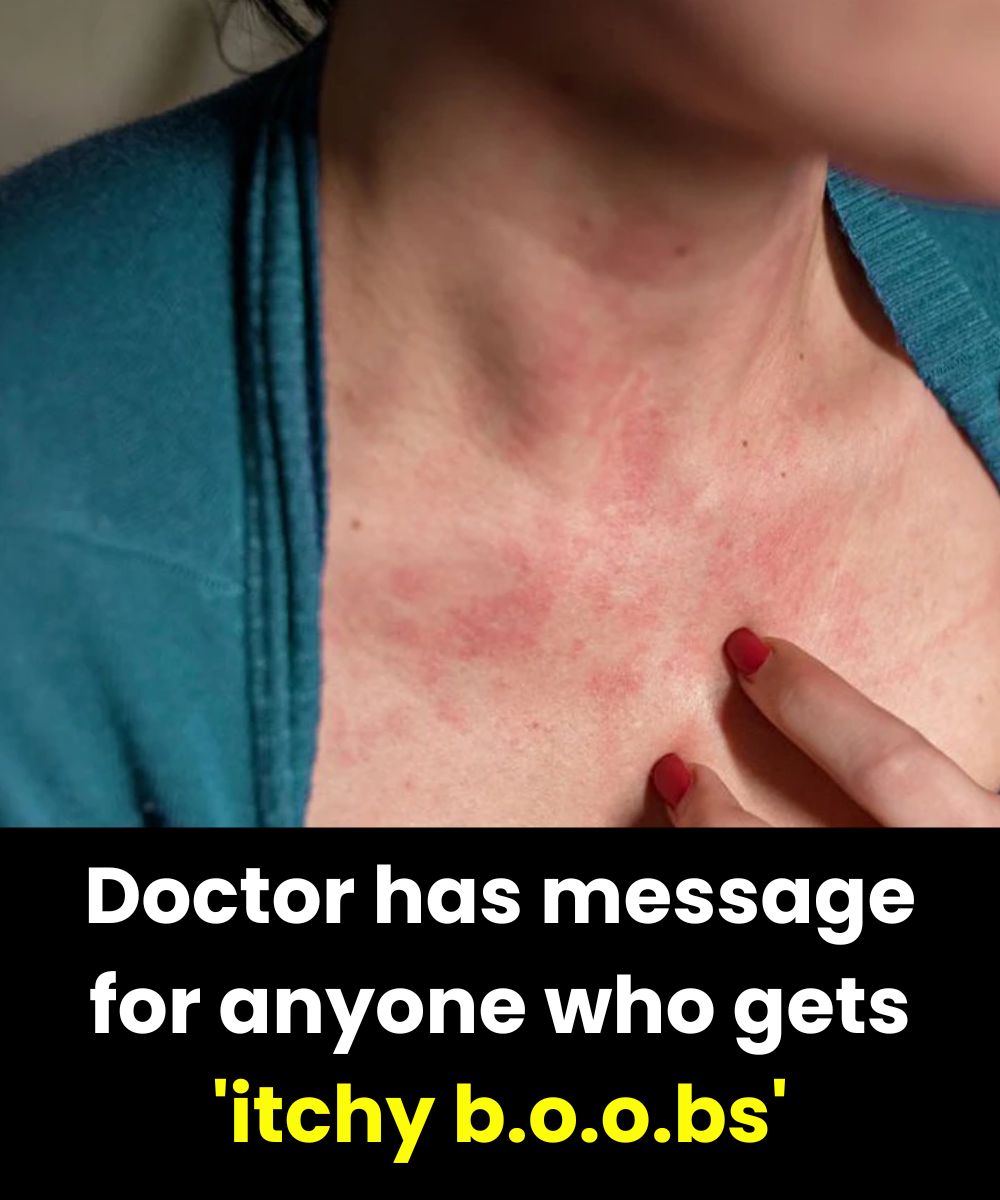
Dr. Woodman also points to Paget’s disease, a rare condition affecting the nipple and areola. While it doesn’t always involve cancer, it can sometimes develop into cancer within the milk ducts and may cause sore, itchy, or bleeding nipples.
More commonly, bre.ast itching is linked to non-serious conditions such as eczema. Infections like mastitis can also cause inflammation, discomfort, and itching.
“If itching around your breasts is frequent or uncomfortable, it’s best to get medical advice,” Dr. Woodman recommends.
Common signs of bre.ast can.cer
Since the early 1990s, breast cancer rates in the UK have risen by about 18%, making awareness of symptoms especially important. The most common sign is a new lump or thickening in the breast or armpit area.
Other symptoms to watch for include:
- Pain or swelling in the armpit
- Redness, rash, crusting, or inflammation around the nipple
- Changes in breast size or shape
- Changes to the nipple, such as inversion
- Altered skin texture on the breast
- Discharge or bleeding from the nipple
While these signs don’t always mean cancer—many lumps are benign—it’s important to get checked to be certain.

Reducing br/east can.cer risk
Dr. Woodman notes that roughly one in four breast cancer cases in the UK could potentially be prevented through lifestyle changes. He suggests five key steps:
- Maintain a healthy weight through balanced eating and regular exercise.
- Stay active, aiming for at least 150 minutes of exercise per week.
- Limit alcohol intake, as alcohol is linked to br/e/ast canc3r risk.
- Avoid smoking, which may contribute to cancer risk and harms overall health.
- Check your b/r/easts regularly so you can notice changes early.
Being aware of your body and seeking medical advice when something doesn’t feel right is one of the most important steps you can take.
