
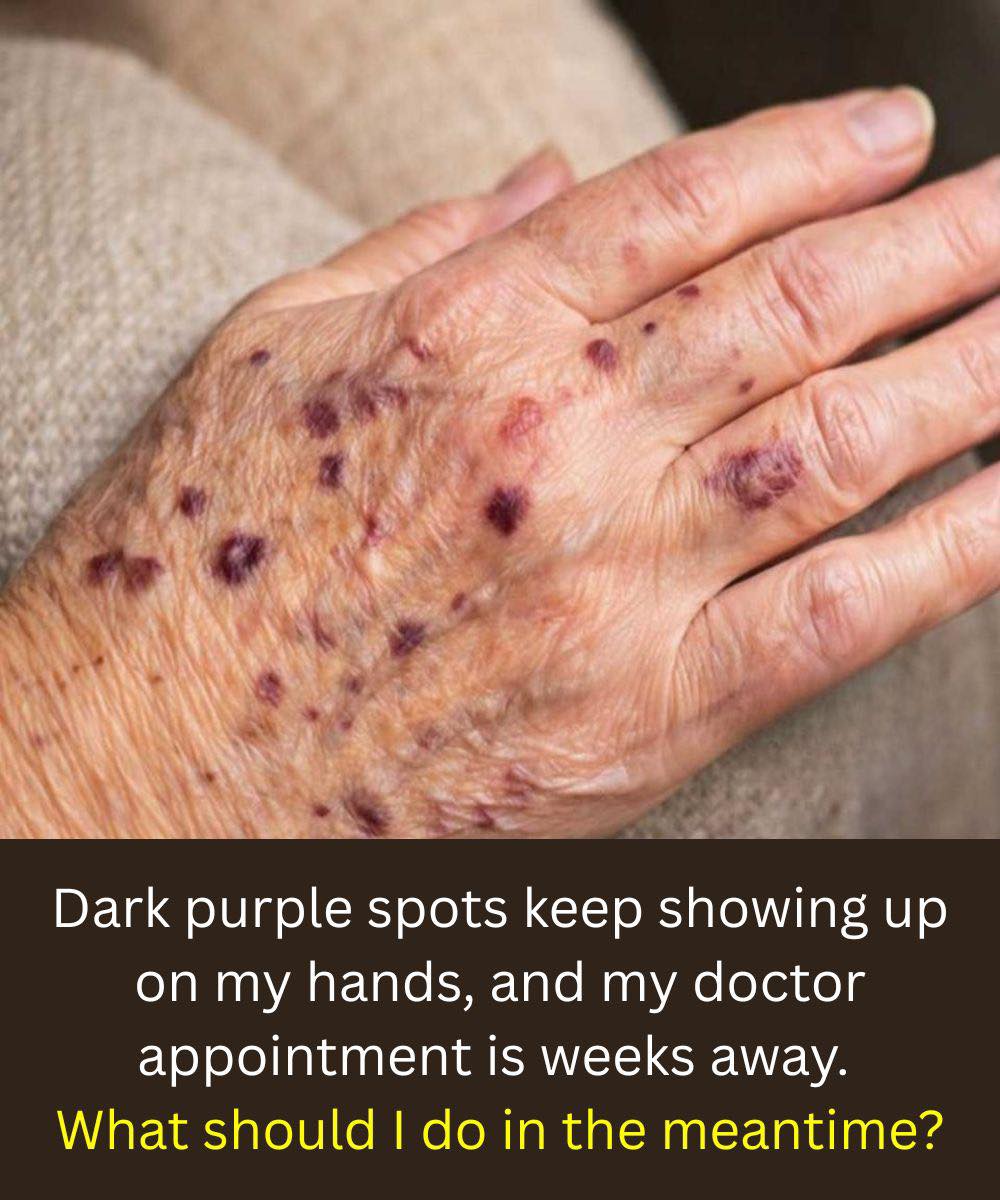
6. Gentle Skin Care to Support Fragile Blood Vessels

A soft, protective skincare routine can make a big difference. Use mild, fragrance-free cleansers and rich moisturizers to keep skin hydrated and resilient, and avoid harsh exfoliation or vigorous scrubbing.
Products containing vitamin C or retinoids may help strengthen skin over time, but introduce them slowly and test first to avoid irritation, especially on sensitive aging skin.
7. Smart Sun Protection to Prevent New Spots
Sun damage plays a major role in weakening skin and blood vessels, so daily sun protection is essential. Apply a broad-spectrum sunscreen with at least SPF 30 to your hands every day, even when it’s cloudy.
When outdoors, wear long sleeves or sun-protective gloves, and reapply sunscreen regularly. These simple habits can significantly reduce the formation of new purple patches.
8. Everyday Clothing and Lifestyle Tips for Extra Protection
Small lifestyle changes can help protect fragile skin. Wearing long sleeves, lightweight gloves, or padded work gloves during chores can reduce accidental bumps and friction.
Keeping your home free of clutter and sharp edges can also lower the risk of unnoticed bruising, especially if balance or mobility is an issue.
9. Medications and Supplements That May Increase Bruising
Some medications and supplements can make bruising more likely by affecting blood clotting. These include aspirin, blood thinners, certain anti-inflammatory drugs, and even some herbal supplements.
If you notice increased bruising, talk to your doctor or pharmacist before making changes. Never stop prescribed medication on your own, but make sure your healthcare provider knows about your symptoms.
10. Comfort Measures You Can Try at Home
If the spots feel tender, applying a cold compress may help reduce swelling or discomfort. Elevating your hands while resting can also improve circulation.
Some people find relief with topical products like arnica gel, but it’s best to check with a healthcare professional before using any new treatments.
11. Nutrition Choices That Support Skin and Blood Vessel Health
Eating a balanced diet rich in vitamins and antioxidants can support skin strength. Foods high in vitamin C and vitamin K—such as citrus fruits, leafy greens, and berries—help maintain healthy blood vessels.
Omega-3 fatty acids from fish or flaxseed may reduce inflammation, while staying well hydrated and limiting alcohol intake can further support skin repair and resilience
