
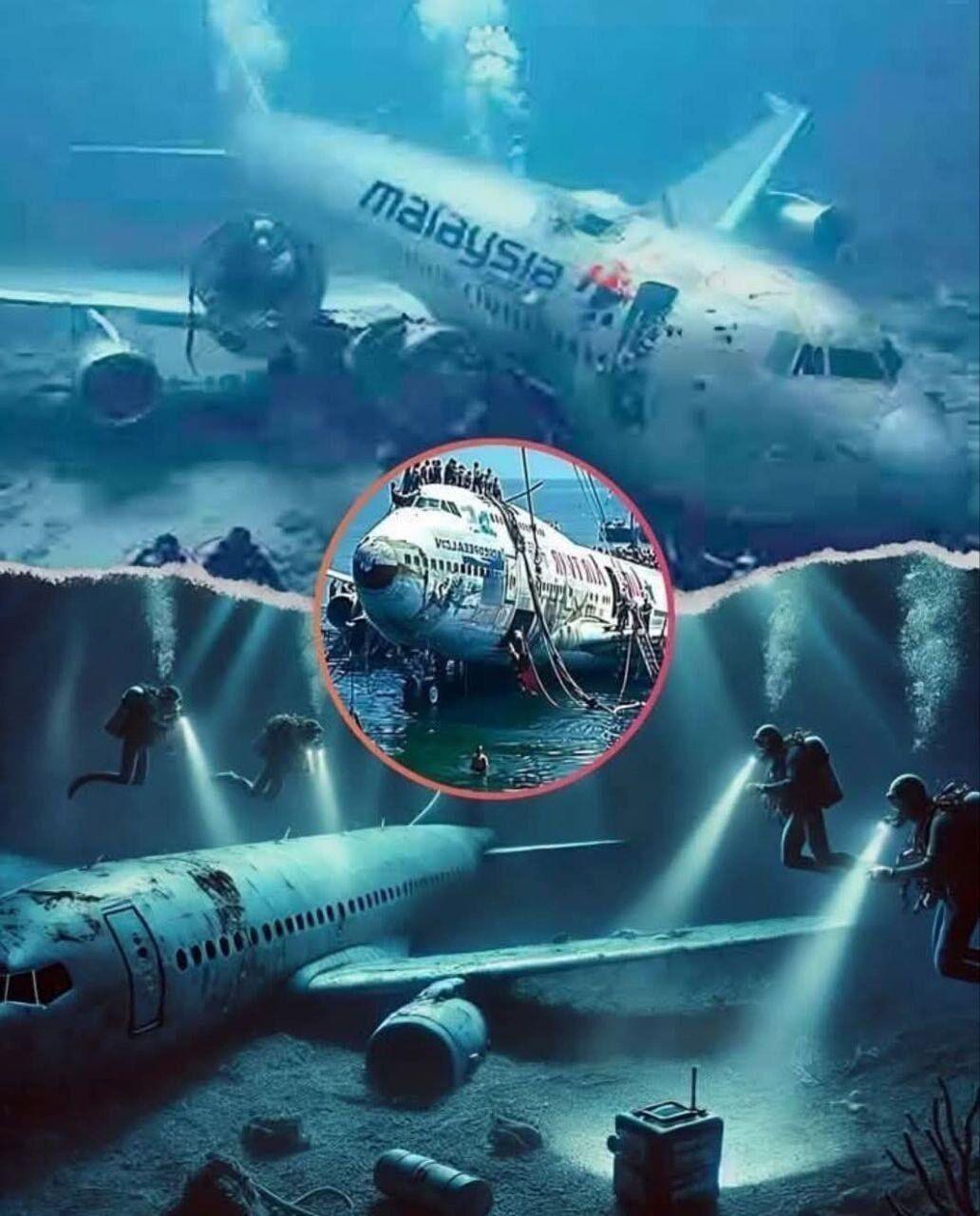
Then there were the watches. Every passenger’s wristwatch, every wall clock on the plane, every small digital timer embedded in equipment—each one had stopped at the exact same minute. They weren’t broken. They weren’t drained. They were simply halted. Paused. Frozen in a shared instant. Paired with the untouched fuel tanks, the sight suggested something far stranger than a crash. It hinted at a moment that never completed itself, a timeline that hiccupped and left no trace of how or why. What had happened aboard Flight 709 wasn’t just unusual. It was something that refused to fit into any category of the known world.
The government arrived quickly and decisively. Military vehicles surrounded the site. Access points were shut down. Civilian personnel were escorted out. Within days, the recovery zone had transformed into a classified operation. Officials released vague statements about safety, contamination risks, the need for secure analysis. But their silence spoke louder than anything they admitted publicly. People saw the barricades go up and immediately assumed the worst. Conspiracy forums erupted. News panels speculated endlessly. The official narrative said little. The unofficial narratives said everything.
Eventually, the families were granted controlled access to the hangar where the plane had been relocated. The atmosphere inside was suffocating—part memorial, part crime scene, part supernatural enigma. Many family members hesitated at the threshold, afraid to see their loved ones suspended in a state that defied nature. Others rushed forward until guards halted them, desperate to touch, to confirm, to understand. Some whispered apologies to faces that hadn’t aged. A few couldn’t look at all, turning away with a grief that felt freshly inflicted. Closure wasn’t anywhere in that hangar. If anything, the plane reopened wounds that had never fully healed.
Officials insisted the aircraft needed to be preserved for long-term study. They spoke about contamination protocols, structural assessments, the potential for unknown hazards. Their tone stayed clinical, but the subtext was clear—they were dealing with something they didn’t understand and couldn’t explain. Eventually, the entire aircraft was transported to a secure, undisclosed facility. The public was told research would continue. The families were thanked for their patience. And then the doors closed, literally and figuratively.
The world was left to wrestle with a discovery that answered nothing. Scientists argued quietly among themselves. Government agencies stonewalled inquiries. Journalists dug up fragments of leaked information that only raised more questions. Even the families, after the initial shock wore off, found themselves grappling with a disturbing new reality. Their loved ones hadn’t aged. They hadn’t decayed. They hadn’t moved through time as the world had. It was as if Flight 709 had stepped out of life for forty years, then dropped back into reality untouched. That detail alone became the most haunting revelation. Grief normally evolves. Loss becomes memory. But this discovery froze everything and everyone in place. It forced a confrontation with the impossible.
People had always feared disappearance—ships lost at sea, planes swallowed by storms, individuals who vanish without explanation. But Flight 709 presented a more terrifying scenario: something can return exactly as it left, stripped of context and meaning, offering no narrative, no logic. The unease didn’t come from the fact that the plane vanished for decades. It came from the possibility that whatever held it outside of time had left no trace of its existence. That the unknown could touch the world so cleanly and leave behind nothing but unanswered questions.
In the end, the discovery of Flight 709 didn’t give the world clarity. It gave it a paradox. The aircraft was back, but the understanding wasn’t. And beneath all the speculation and scientific analysis, one unsettling truth lingered—the most disturbing mysteries aren’t the ones that disappear forever. They’re the ones that return unchanged and still refuse to explain themselves.
