
In a move that reverberated through the agricultural and tech worlds, Italy has officially banned lab-grown meat, setting a global precedent. The legislation specifically targets food products created by cultivating animal cells in bioreactors, a process distinct from plant-based alternatives. This bold policy positions Italy at the forefront of a cultural and economic clash, framing the debate as a choice between preserving a millennia-old food heritage and embracing a high-tech solution to modern environmental and ethical dilemmas.
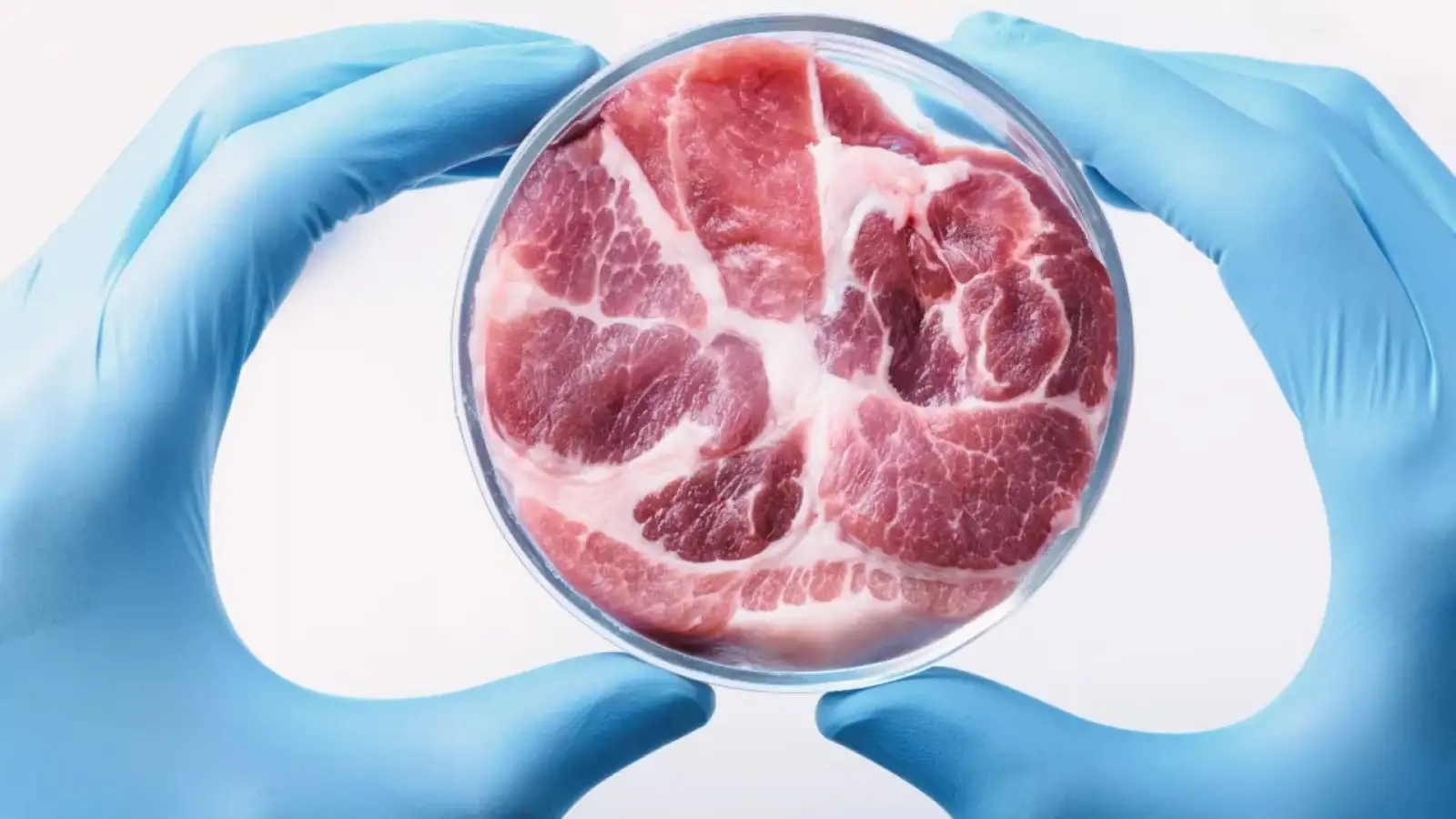
Central to Italy’s decision is an unwavering commitment to its farmers and its culinary legacy. The government posits that the value of Italian food lies in its profound connection to specific regions, breeds, and time-honored methods—a concept often summarized as terroir. Introducing meat produced in sterile laboratories is viewed as anathema to this philosophy, potentially undermining consumer trust and devaluing the work of local producers. The ban is, therefore, a protective shield for an entire economic and cultural sector seen as fundamental to the national identity, asserting that true quality and sustainability are found in traditional, transparent supply chains.
